

Trends in exhibition stands for 2024
Custom or standard stand? How to choose the best solution
Introduction
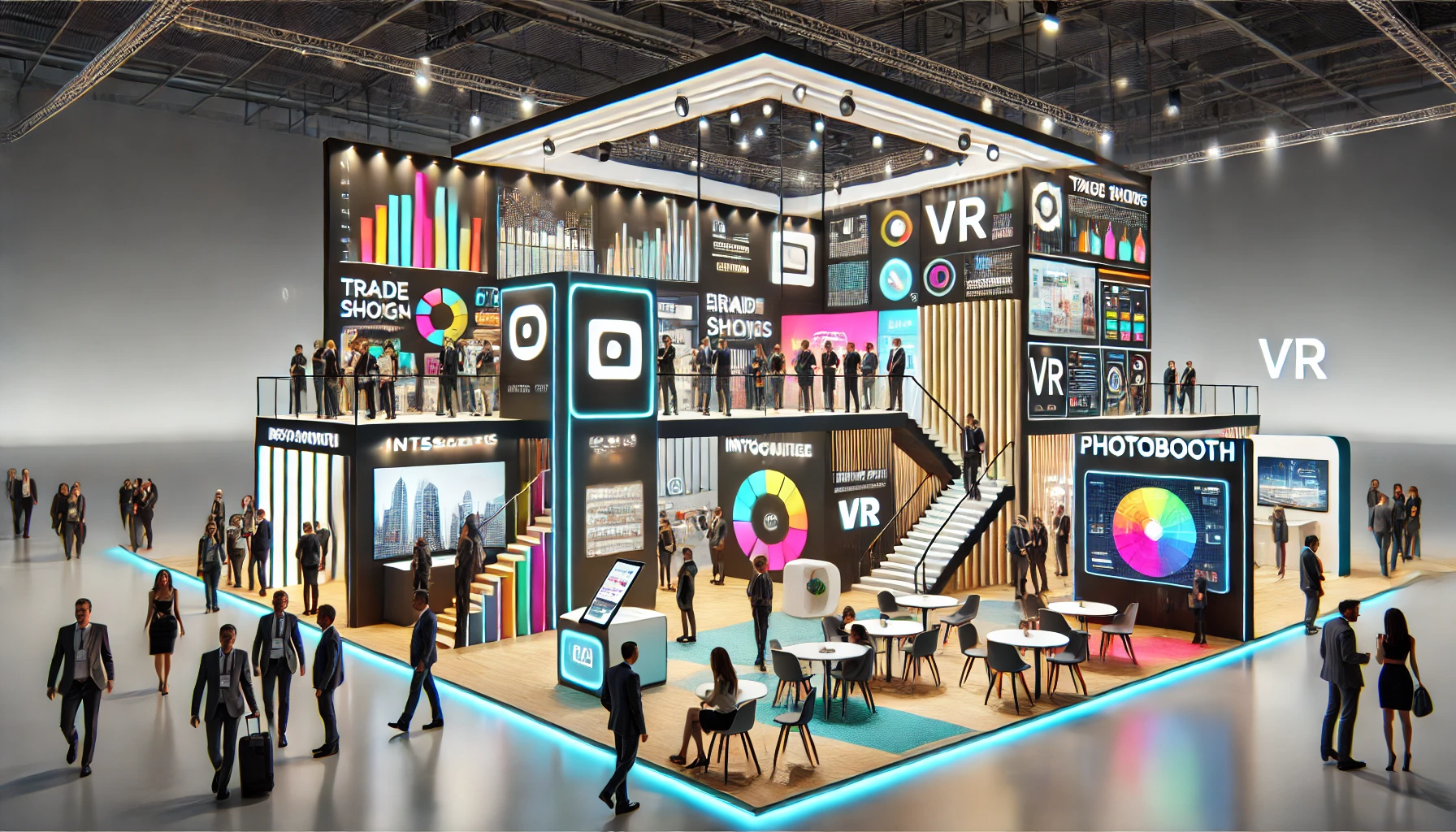
Exhibition stands are not just a place to showcase products or services. They serve as the company’s business card, shaping the impression for potential clients and partners. In 2024, we are witnessing significant innovation in booth design and functionality. Today, we’ll explore key trends that can help companies stand out, leave a memorable impression, and create a positive experience for visitors.
Interactive and Digital Technologies
One of the main trends is the integration of virtual reality (VR) and augmented reality (AR) technologies. These solutions immerse visitors into the brand’s world, making product presentations more engaging and interactive. VR headsets allow visitors to “travel” into another reality, where they can explore products in detail. AR, in turn, enhances the real booth with virtual elements, creating impressive visual effects and drawing attention.
Another effective tool is touch screens and interactive panels, where visitors can browse information about the company or products and even perform actions, such as adding items to a cart for ordering. Gamification is also gaining popularity, as contests and games with prizes create a positive emotional connection with the brand.
Eco-friendly Design and Sustainability
More and more companies are choosing eco-friendly materials for booth construction. These may be recycled or biodegradable materials that can be reused after the exhibition. Booths are also designed to be used at multiple events without significant modifications, which helps reduce costs and minimize waste.
Sustainability has become a crucial part of booth design—stands with an eco-focus demonstrate a company’s responsible approach to the environment, positively influencing brand reputation among eco-conscious visitors.
Minimalism and Simplicity
Clean and simple lines have become the foundation of modern exhibition stand design. A minimalist approach helps to focus attention on key products, without distracting visitors with unnecessary details. Spacious zones create a comfortable atmosphere and allow people to move freely, which contributes to better perception of information.
Attention to detail is another feature of minimalism. Instead of many elements, a few bright accents highlight key areas of the booth.
Branded Photo Zones
Exhibition stands with Instagram zones have become popular thanks to social media. Visitors eagerly take photos against the brand backdrop, sharing content online and increasing visibility. Photo zones with interesting elements make it easy for visitors to create content, which automatically promotes the brand.
QR codes are also becoming an integral part of photo zones, allowing visitors to quickly access the company’s website or social media pages.
Personalized Approach
Exhibition booths are becoming more flexible, adapting to different types of clients. It’s important to have areas that cater to various needs, such as separate zones for consultations or product demonstrations. Another popular trend is the personalization of offers based on visitor interests, enabling relevant information to be provided effortlessly.
Use of Color and Lighting
Designers increasingly use trending colors that reflect modern moods. For example, neutral and natural shades foster trust, while bright colors boost energy. Lighting also plays a key role: it not only provides visibility, but also creates dynamic effects that make the booth more attractive. This kind of lighting highlights key areas and gives the booth a more modern look.
Multi-sensory Booth Design
Design that appeals to multiple senses has become a powerful tool for building emotional connections with a brand. The use of tactile materials such as wood, fabrics, or other textured elements adds depth to the booth experience. Scenting the space can help create a unique, memorable atmosphere, while carefully selected background sound or music makes the booth more welcoming for communication.
Modularity and Transformation
Mobile and modular stands have become one of the most convenient solutions for companies that frequently participate in exhibitions. They can be quickly assembled, disassembled, and adapted to different event requirements. This saves time and money, and allows flexible use of space.
Smart organization of space with modular elements allows you to expand or reduce the booth depending on the venue’s size and company needs.
Conclusions
Trends in exhibition stand design for 2024 reflect a drive towards innovation, sustainability, and personalization. By leveraging interactive technologies, eco-friendly approaches, contemporary minimalist design, and multi-sensory features, companies can create booths that become magnets for visitors and help increase brand awareness.