

Preparing your stand for an exhibition: important details and tips
Custom or standard stand? How to choose the best solution
Here is a professional English translation:
Introduction
Participating in exhibitions is a key part of the marketing strategy for many companies, as an exhibition booth is a great opportunity to attract new clients and strengthen the brand’s position in the market. Proper preparation for an exhibition helps you make the most of these opportunities. In this article, we will look at the main aspects to consider when preparing your booth for an exhibition, so you can achieve your goals and leave a positive impression on visitors.
Planning and Organization
- Setting goals. The first step is to establish specific objectives: increasing brand awareness, attracting potential clients, presenting a new product, etc. Clear goals help you allocate resources and choose the best approaches to achieve the desired results.
- Budget planning. It’s important to allocate funds for logistics, installation, promotional materials, equipment rental, as well as unforeseen expenses. An effective budget helps avoid financial risks and ensures that your booth is fully supported.
- Team formation. Selecting the employees who will work at the booth is crucial. They should be knowledgeable about the product and have strong communication skills. Conduct training before the exhibition and discuss strategies for interacting with visitors.
Booth Design and Decoration
- Aesthetics and convenience. The booth should be attractive and comfortable for visitors, combining aesthetic design with functional elements that enhance comfort.
- Branding placement. The booth must be easily associated with the brand. Position the logo, corporate colors, and company slogan in a way that they are immediately noticeable.
- Interactive elements. Technologies such as VR, AR, or touch screens can be a great way to engage visitors, making the booth not only informative but also exciting.
Logistics and Installation
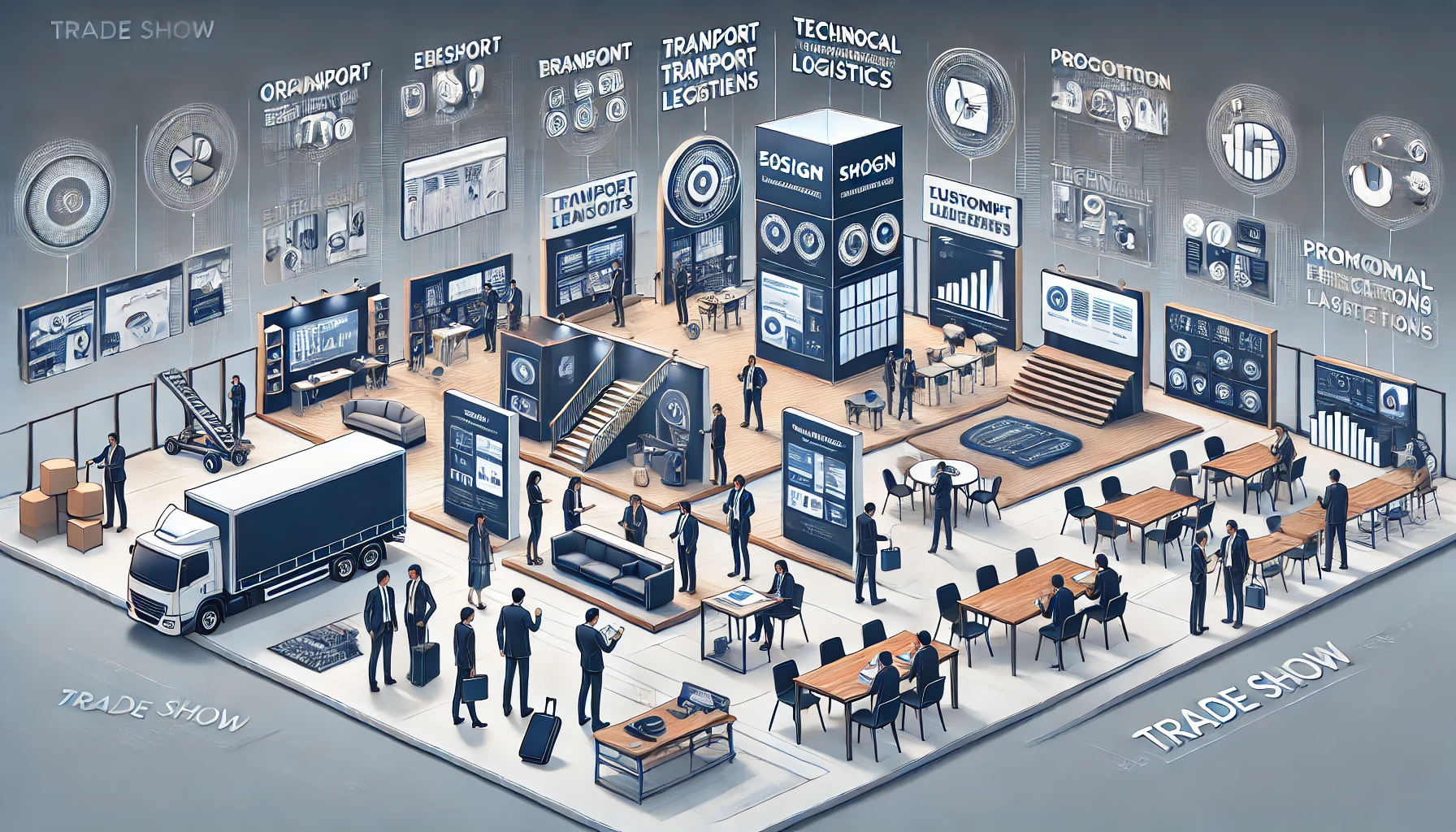
- Transportation. Ensuring timely delivery of the booth to the exhibition venue requires careful planning. Choose reliable carriers and allow time for unloading.
- Installation and dismantling. Large booths often require a specialized team. Carefully plan installation processes to avoid delays and create a plan for dismantling after the event ends.
Preparation of Presentation Materials
- Promotional materials. Brochures, catalogs, business cards, and souvenirs are all part of the brand’s presentation that visitors can take with them.
- Demonstration materials. Prepare demo videos, slides, or product samples to present your company in detail. This helps create a complete picture of your offerings.
Technical Equipment and Support
- Equipment rental. Depending on the size and needs of your booth, you may need screens, projectors, or charging stations. Also, have backup equipment available in case of technical issues.
- Safety plan. Protect your equipment and valuable materials from potential damage and ensure the safe use of all equipment.
Marketing and Promotion Before the Exhibition
- Notifying clients. Send invitations to clients and partners in advance. Use social media to announce your presence at the exhibition and attract more visitors.
- Collaborations. Partner with other brands or engage popular influencers who can help bring extra attention to your booth.
Preparing the Team for Booth Work
- Staff training. Teach your team the basics of communicating with visitors, presenting products, and collecting contacts to achieve better results.
- Motivation and support. Provide your team with comfortable working conditions, including scheduled breaks and meals, to keep them energetic and motivated.
Collecting Contacts and Data Processing
- Data collection systems. Prepare methods for recording contacts (business cards, electronic forms, or CRM systems) to simplify follow-up with clients.
- Analyzing collected data. After the exhibition, gather and analyze the data to assess the number of interested clients and create a follow-up strategy.
Summing Up and Conclusion
- Evaluating exhibition results. Analyze the results and assess whether the goals set before the event were achieved. Draw conclusions about what worked well and what could be improved in the future.
- Conclusion. Participating in an exhibition is a complex process that requires thorough preparation and coordination of many aspects. With proper planning and cohesive teamwork, you can not only present your company at a high level but also gain valuable contacts to support your business growth.