

Examples of effective exhibition stands: analysis of successful projects
Custom or standard stand? How to choose the best solution
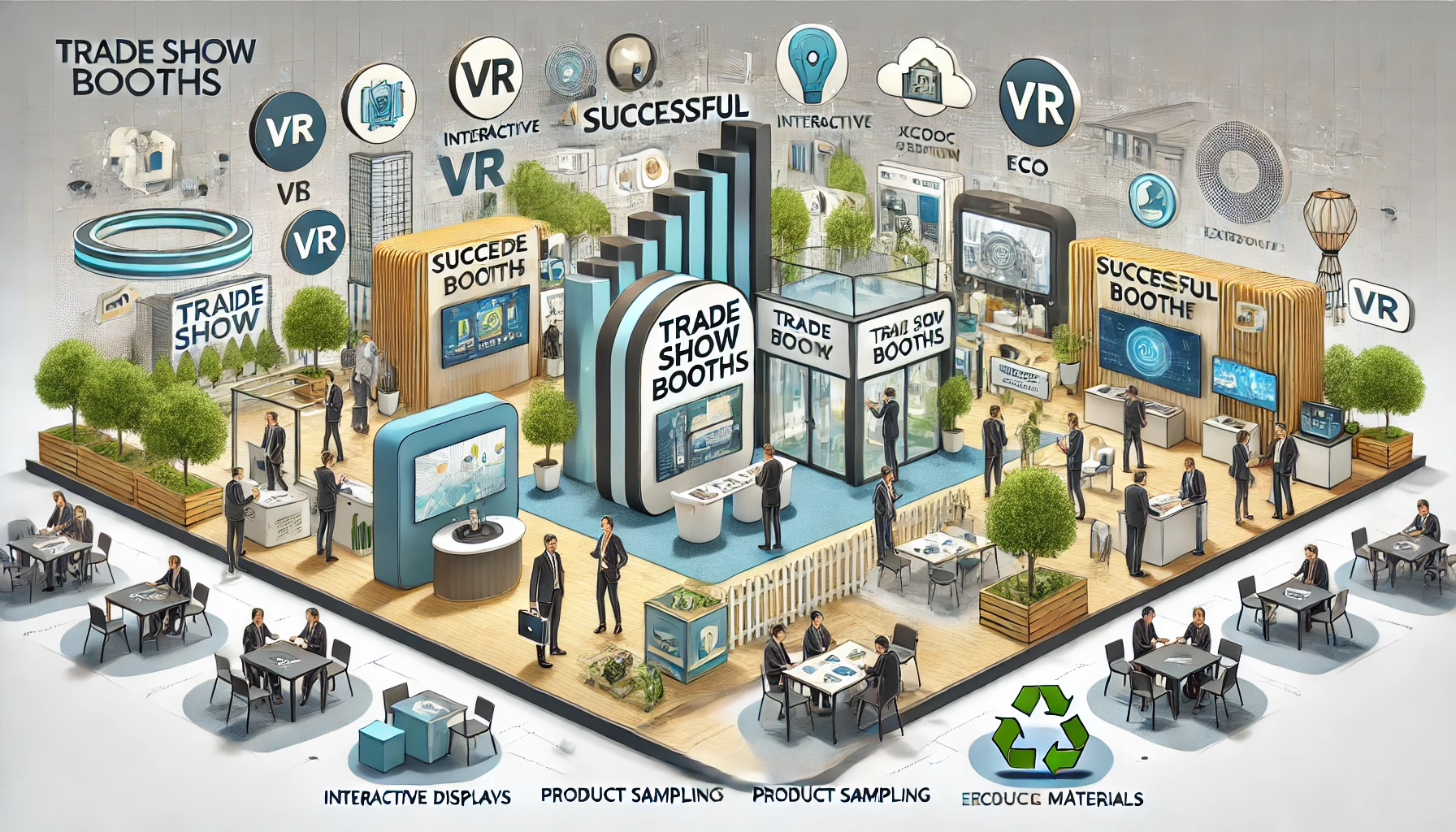
Participating in exhibitions gives businesses an opportunity not only to showcase their products, but also to strengthen their brand image, increase recognition, and attract new clients. Success depends on many factors, and one of the main ones is the booth that represents the company. In this article, we will review examples of successful booths and highlight the key elements that can help you create an impressive and functional exhibition space.
Key Elements of an Effective Exhibition Booth
- Attractive Design. A successful booth should look modern, stylish, and harmonious, combining colors, lighting, and shape in a way that catches visitors’ attention and communicates the brand concept.
- Functionality. Beyond visual appeal, the booth should provide comfortable spaces for communication, as well as areas for presentations, interaction, and relaxation.
- Interactive Elements. VR and AR technologies, multimedia panels, gaming zones, or other interactive solutions help immerse visitors in the brand’s world and increase engagement.
- Strong Branding. Elements such as the logo, slogan, and corporate colors should be easily recognizable and closely associated with the company.
Examples of Effective Exhibition Booths
Example 1: Technology Brand
One of the world’s leading technology companies used VR technology at an exhibition to demonstrate their new products. Their booth was organized as an interactive area where visitors could experience virtual reality simulating the use of the product.
Analysis: This attracted visitors and created an unforgettable experience that is hard to replicate outside the exhibition. The result was high visitor interest, a stream of new contacts, and a vivid brand presentation.
Example 2: Interior Design Brand
A well-known furniture manufacturer designed their booth using natural materials, showcasing new products in the context of modern interior design trends. The booth featured mainly wood, glass, and soft lighting.
Analysis: Thanks to the harmonious design, the booth stood out with its aesthetics, attracting the target audience interested in design. The booth design emphasized the brand’s values: quality, style, and aesthetics.
Example 3: Eco Brand
An eco-oriented company created a booth using recycled materials. The eco-friendly design and thematic installations emphasized the brand’s commitment to sustainability.
Analysis: The booth became a model of eco-consciousness and generated interest among visitors who value responsible consumption. Visitors could learn more about the products and the company’s mission, reinforcing the brand’s value for its target audience.
Example 4: FMCG Company
A representative of the FMCG sector created a booth with interactive zones where visitors could try products for free, participate in contests, and receive souvenirs.
Analysis: Visitors enthusiastically engaged with the brand by sampling products. Free samples, contests, and giveaways left a positive impression, and the company collected many contacts for future marketing.
Tips for Creating a Successful Booth
- Develop a unique concept. Your idea should be interesting and original to stand out among others.
- Invest in interactivity. Include interactive elements—from VR/AR to contests and presentations.
- Focus on branding. Clearly plan how your booth will be associated with your brand.
- Analyze feedback. After the exhibition, collect feedback from your team and visitors to draw conclusions for future projects.
An effective exhibition booth is a powerful marketing tool that allows a company not only to present products, but also to engage with the target audience, increasing brand loyalty. Planning your booth, considering examples of successful projects, and implementing interactive solutions can help you create a space that leaves a strong impression on visitors and ensures a successful outcome.